
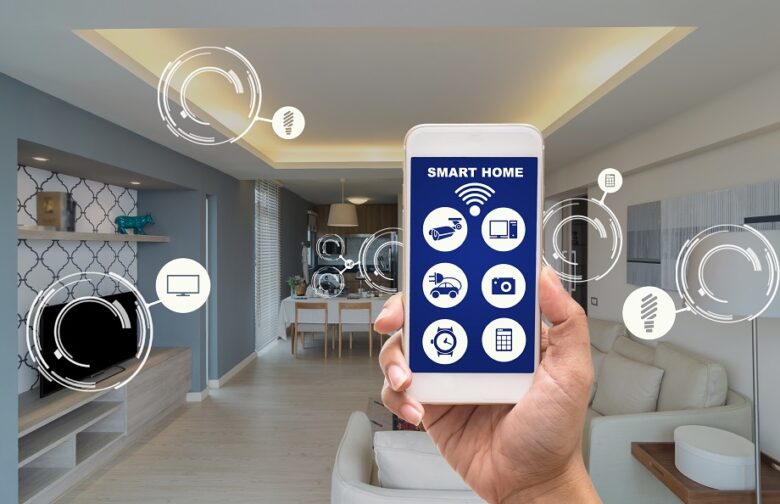
The concept of a “smart home” used to feel like something out of a science fiction movie—a futuristic luxury reserved for the ultra-wealthy or the tech-obsessed. That isn’t the case anymore. Home automation has become accessible, affordable, and incredibly practical for the average person. It is no longer just about showing off cool gadgets; it is about reclaiming your time, saving energy, and reducing daily friction.
Integrating smart devices into your living space creates an ecosystem that works for you. From lights that adjust to your mood to thermostats that learn your schedule, these tools handle the mundane details of home management. If you are looking to streamline your routine, here is a breakdown of the everyday smart home devices that are truly making life easier.
Smart Lighting
The days of walking from room to room to flip switches are numbered. Smart lighting is often the entry point for many people building a connected home because it is simple to install and offers immediate gratification. It goes far beyond simply turning a bulb on or off remotely; it is about customizing your environment to suit your lifestyle.
Automating Your ambiance
One of the most practical features of smart bulbs is the ability to schedule lighting. You can program your bedroom lights to gradually brighten in the morning, simulating a sunrise for a gentler wake-up call than a blaring alarm. Conversely, you can set them to dim automatically in the evening to help your body prepare for sleep. This level of automation means you never have to come home to a dark house again. Many systems offer geofencing, which uses your phone’s location to turn the lights on as you pull into the driveway and off when you leave.
Efficiency and Control
Beyond convenience, smart lighting offers significant control over energy usage. How often have you left a light on in the basement or upstairs? With a quick check of an app, you can see exactly what is on and turn it off from your office or the grocery store. Furthermore, the ability to dim LED smart bulbs means you are using less power when full brightness isn’t necessary, extending the life of the bulb and lowering your electricity bill.
Smart Thermostats
Heating and cooling usually account for the largest portion of utility bills. A traditional thermostat is a static device; it does exactly what you tell it to do until you tell it otherwise. A smart thermostat, however, is dynamic and intelligent, designed to optimize your home’s climate without you needing to micromanage it.
Learning Your Routine
The biggest advantage of devices like the Nest or Ecobee is their ability to learn. Over the first few weeks of use, a smart thermostat tracks your manual adjustments. It learns that you like the house cool at night but warm when you wake up at 7:00 AM. Eventually, it builds a schedule automatically. It can also detect when the house is empty using motion sensors or phone location data, switching to “eco-mode” so you aren’t paying to heat or cool an empty space.
Remote Accessibility
The convenience factor here is undeniable. If you’re returning from a trip, you can use an app to warm the house before landing. If you are staying late at work, you can delay the heating schedule so energy isn’t wasted. This level of control ensures that your home is always at the perfect temperature exactly when you need it to be, blending comfort with financial savings.
Smart Security Systems
Peace of mind is priceless, and smart security systems deliver it in spades. Traditional security systems were often expensive, hardwired setups that required professional installation and long-term contracts. Modern smart security is modular, wireless, and DIY-friendly, putting the safety of your home directly in your pocket.
The Video Doorbell Revolution
The smart video doorbell is perhaps the single most popular security device today. It acts as a caller ID for your front door. Whether you are in the backyard or across the country, you get a notification when someone rings the bell or triggers the motion sensor. You can see and speak to delivery drivers, instructing them where to hide a package, or deter potential “porch pirates” by letting them know they are being watched. It adds a layer of security to the most vulnerable entry point of your home.
Smart Locks and Sensors
Smart locks eliminate the panic of losing your keys. You can unlock your door with a code, a fingerprint, or your smartphone. This feature is incredibly useful if you need to let in a dog walker, a cleaner, or a visiting relative while you are not home. You can issue temporary digital keys that expire after a certain time, giving you total control over access. Paired with window and door sensors that alert you if something is opened unexpectedly, these devices create a comprehensive security net that keeps you informed in real-time.
Smart Entertainment
Entertainment has shifted from physical media to digital streaming, and our hardware has evolved to match. Smart entertainment systems are about removing the clutter of remote controls and making it effortless to access music, movies, and TV shows.
Voice-Controlled Media
Integrating a smart speaker or a smart display into your entertainment setup changes the way you interact with media. Instead of navigating complex on-screen menus, you can simply say, “Play my relaxation playlist” or “Put on the latest episode of my favorite show.” The device handles the inputs and outputs, turning on the TV and adjusting the volume automatically. It removes friction from the relaxation process.
Whole-Home Audio
Smart speakers allow for multi-room audio setups that were previously complex and expensive to wire. You can group speakers together so that the same podcast or album plays in the kitchen, the living room, and the bedroom simultaneously as you clean the house. Alternatively, different family members can listen to different audio in separate rooms, all controlled from a central device or individual smartphones. It makes your home feel more cohesive and modern.
Making the Switch to a Connected Home
Transitioning to a smart home doesn’t require a complete overhaul of your lifestyle or a massive upfront investment. The beauty of these devices lies in their modularity. You can start with a single smart plug or a video doorbell and expand as you see fit.
The goal of this technology is not to add complexity but to remove it. It handles the small, repetitive tasks—adjusting the temperature, checking the locks, turning off the lights—so you can focus on the things that actually matter. By integrating even just a few of these everyday devices, you create a living space that is more efficient, more secure, and significantly more comfortable.
FAQs
1. Do I need a central hub to run smart home devices?
Not necessarily. Many modern smart devices connect directly to your home Wi-Fi network and are controlled via their apps or through voice assistants like Alexa or Google Assistant. However, if you plan to install a large number of devices (like smart bulbs and sensors), a hub (like Samsung SmartThings or a dedicated bridge) can help them communicate more reliably without clogging up your Wi-Fi.
2. Are smart home devices secure from hackers?
As with any internet-connected device, there is a risk involved, yet it is manageable. To keep your smart home secure, constantly change the default passwords on your devices, enable two-factor authentication whenever possible, and keep your device firmware updated. Using a secure, unique password for your Wi-Fi network is also essential.
3. Will smart devices save me money in the long run?
Yes, particularly regarding energy consumption. Smart thermostats and smart lighting are designed to reduce waste. While there is an upfront cost to buy the device, the reduction in your monthly utility bills often pays for it within a year or two, depending on your usage habits.